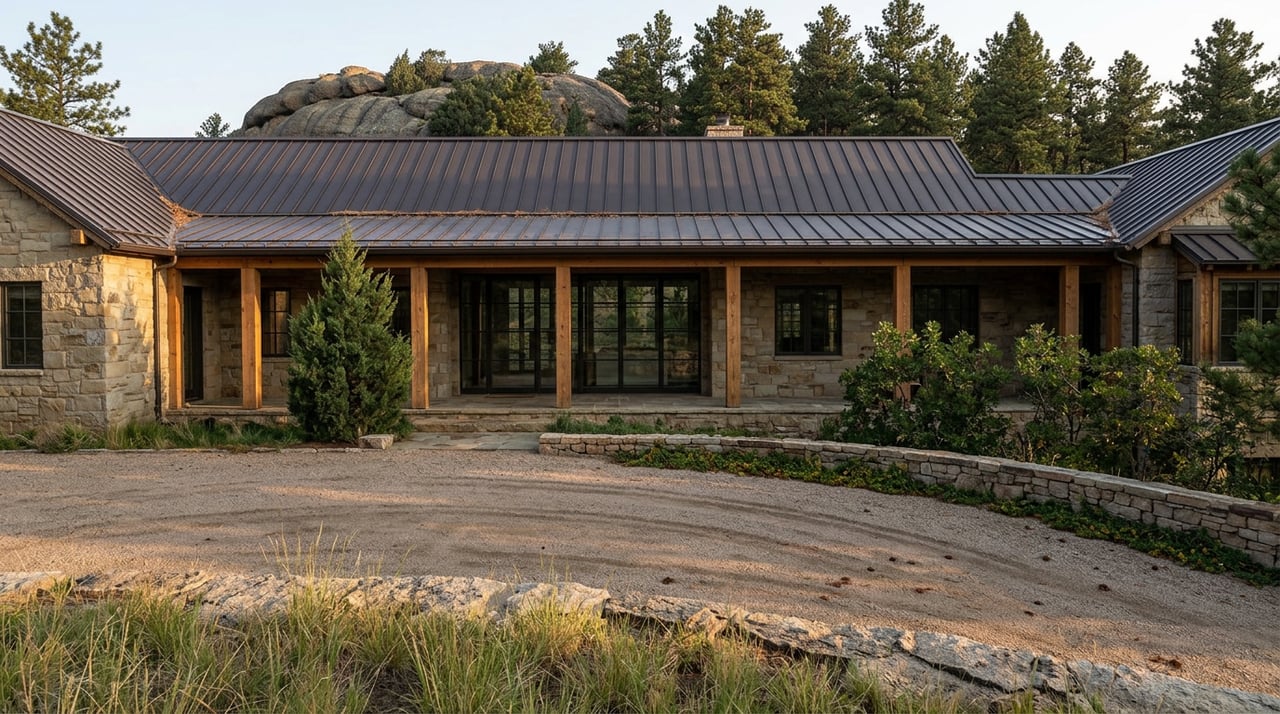
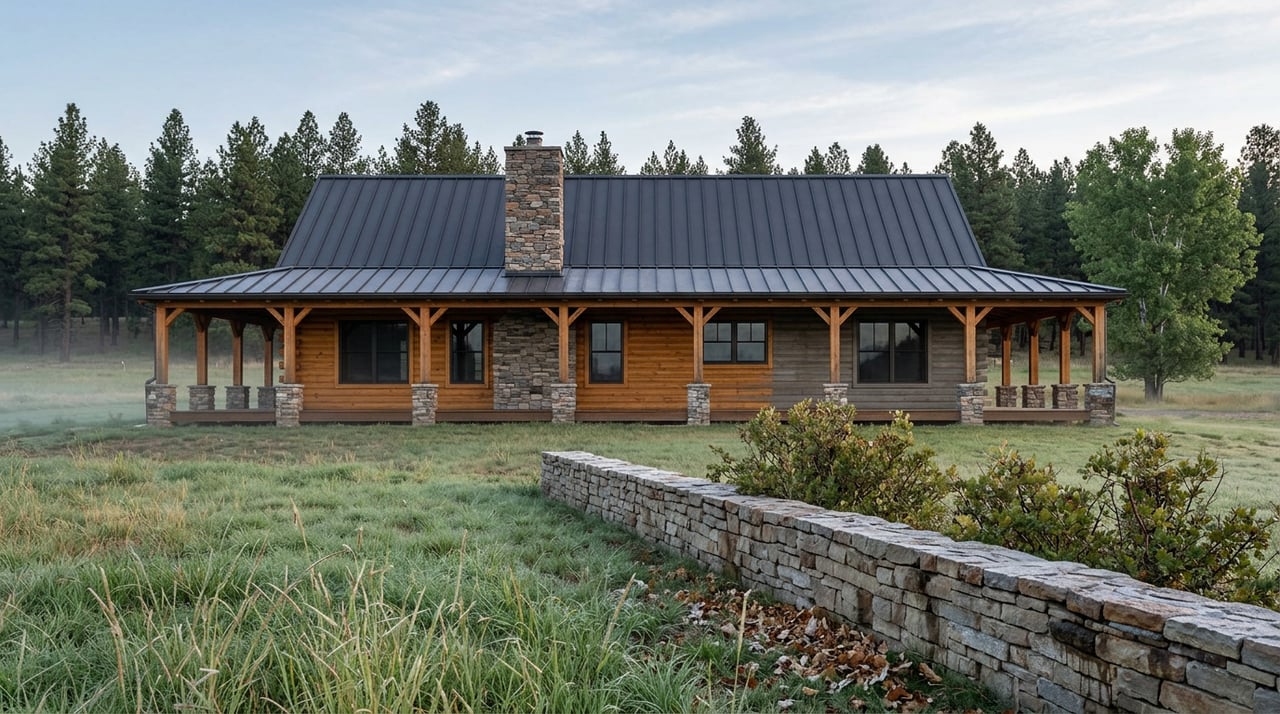
Mountain Cabin Living In Pagosa Springs: What To Expect
May 14, 2026
May 14, 2026
Dreaming about a cabin in the mountains? Pagosa Springs can feel like the Colorado version of that postcard idea, with river views, hot springs, forest access, and snowy winters that shape the rhythm of daily life. If you are considering a full-time move, a second home, or a recreational retreat here, it helps to understand both the charm and the practical side. This guide will walk you through what mountain cabin living in Pagosa Springs really looks like, so you can decide whether the lifestyle fits you well. Let’s dive in.
Pagosa Springs is not a large resort city with endless suburban conveniences. It is a very small mountain town, with a population of 1,571 and about 5.0 square miles of land area, according to the Census Bureau. That smaller scale is part of the appeal for many buyers who want a quieter pace and stronger connection to the outdoors.
The setting plays a big role in that experience. Archuleta County describes the area as a gateway to outdoor adventure, with nearly 3 million acres of national forest nearby. The town itself sits on the San Juan River and is known for its hot springs, which gives daily life here a distinctly outdoors-centered feel.
If you are used to a metro lifestyle, this difference matters. Pagosa Springs offers a compact amenity base and a true mountain-town atmosphere, not a large retail corridor or dense urban services. For many cabin buyers, that tradeoff is exactly the point.
Mountain cabin living in Pagosa Springs tends to revolve around scenery, weather, and access to recreation. Your routine may include coffee on a deck with mountain air, a quick trip into town for errands, and easy access to trails, river activities, or a soak in the hot springs. The lifestyle often feels more seasonal and more tied to the landscape than life in a larger city.
The town has practical services that support full-time living as well as second-home ownership. Pagosa Springs has over 10 natural parks through its recreation department, a library district that serves Pagosa Springs and Archuleta County, Mountain Express Transit bus service, and Pagosa Springs Medical Center, which includes a critical access hospital, rural health clinic, and 24/7 emergency department. That makes the town functional for everyday needs, even though it remains small.
For some buyers, the balance is ideal. You get real civic services and year-round living support, but you still live in a place where the outdoors is the anchor of everyday life.
Summers are often one of the biggest draws. WeatherSpark describes the season as warm, dry, and partly cloudy, with the most comfortable warm-weather stretch running from late June to late August. Typical temperatures in Pagosa Springs range from 14°F to 82°F across the year, which means summer usually feels pleasant rather than extreme.
This is the time when hiking, biking, river time, and exploring nearby public lands often become part of your routine. If your idea of cabin living includes spending long days outside and cool evenings at home, summer can be especially appealing.
Fall brings changing color and a quieter feel as the seasons shift. For many mountain homeowners, this is one of the most rewarding times of year because the pace can feel calmer while the scenery changes quickly. It is also a reminder that the area transitions fast between seasons.
The wetter stretch in Pagosa Springs generally runs from early July to early October. That does not mean every day is rainy, but it does mean weather patterns can change and should be part of how you plan your time at the property.
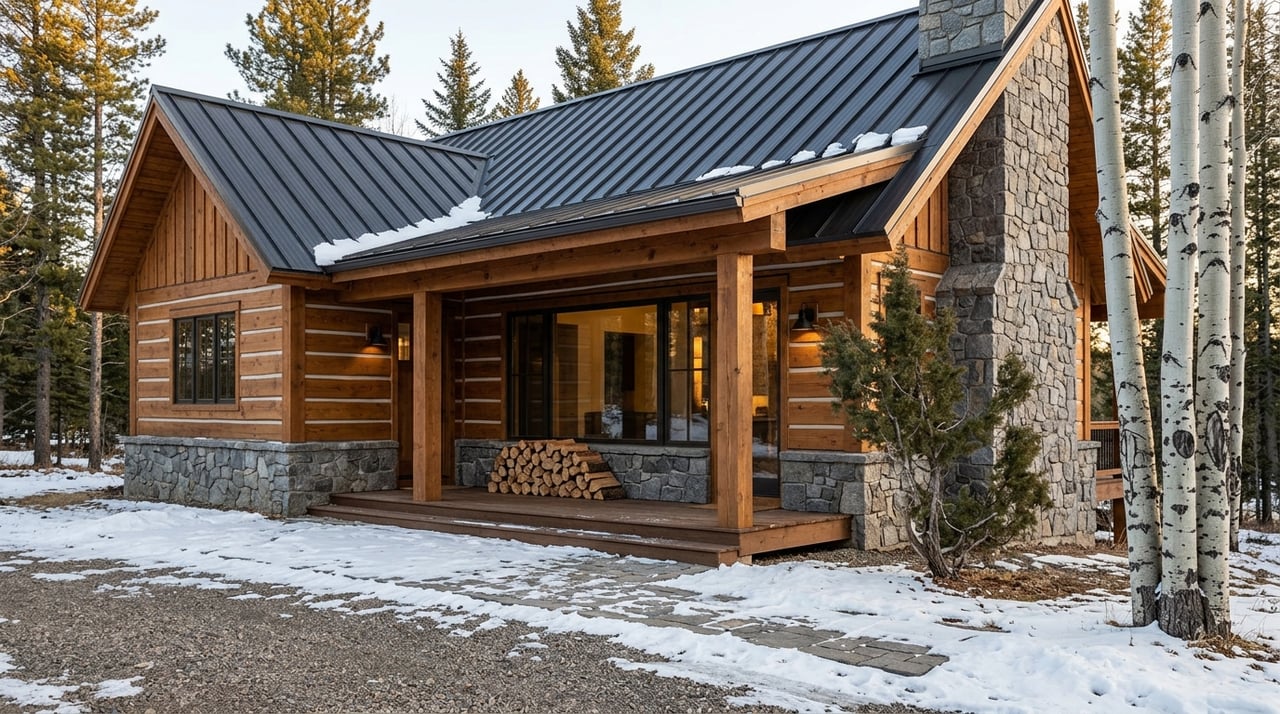
Winter is beautiful, but it is not a minor detail. WeatherSpark describes winters in Pagosa Springs as freezing, snowy, and mostly clear, with the snowy period generally lasting from late October to mid-April. If you want a mountain cabin here, winter readiness should be part of your expectations from day one.
Wolf Creek Ski Area is about thirty minutes west of the Continental Divide area and is closely tied to the region’s winter identity. Wolf Creek also brands itself as receiving the most snow in Colorado. For ski-focused buyers, that is a major lifestyle advantage, but it also reinforces the reality of snow travel and seasonal access planning.
In Pagosa Springs, recreation is not just something visitors do on weekends. It is part of the local lifestyle and one of the clearest reasons people choose to own a cabin here. The San Juan River runs through town, and the town notes that many recreational activities are made possible by it.
Archuleta County highlights fishing, horseback riding, skiing, snowboarding, hiking, biking, camping, and ATVing as part of the area’s appeal. Nearby destinations such as Chimney Rock National Monument, Navajo State Park, and Mesa Verde add even more options for day trips and exploring the broader region.
The hot springs are another defining part of life here. The Springs Resort says the Pagosa hot springs are fed by the Mother Spring and supply more than 50 hot spring pools, with soaking open to the public year-round. For many owners, that year-round access adds a relaxing, distinctive layer to cabin living.
A mountain cabin in Pagosa Springs can be incredibly rewarding, but it also comes with practical realities. This is not a set-it-and-forget-it type of property environment. The same features that make the area beautiful also require more planning than many buyers expect.
Here are a few of the biggest realities to keep in mind:
None of this is meant to discourage you. In fact, well-prepared buyers often find these tradeoffs very manageable. The key is going in with clear expectations.
Wildfire awareness is an important part of owning in mountain areas, and Pagosa Springs is no exception. The town frames the area as wildland-urban interface country in its fire-readiness guidance. That means buyers should think beyond aesthetics and focus on how a property is built, maintained, and accessed.
There is also a regulatory update to know. The town announced that the Colorado Wildfire Resiliency Code will apply starting July 1, 2026, including requirements for new construction, larger additions, and certain exterior upgrades. If you are considering building, remodeling, or making major exterior changes, this is the kind of local detail worth understanding early.
For cabin buyers, this is where mountain-property experience matters. A beautiful setting is only part of the picture. You also want to evaluate how the property functions in real mountain conditions over time.
Pagosa Springs tends to attract buyers who want more than a vacation backdrop. It is especially appealing if you value privacy, scenery, outdoor access, and a slower pace over a long list of big-city conveniences. Buyers looking for a second home, future retirement retreat, or lifestyle-focused mountain property often find the area a strong fit.
It can also appeal to full-time residents who want small-town living with recreation close at hand. Because the town includes practical services like medical care, parks, library access, and transit, it supports more than just short visits. Still, the best fit is usually someone who is comfortable with the rhythms of mountain living.
If you want a place that feels connected to the land and seasons, Pagosa Springs stands out. If you want a more suburban experience with broad retail and dense amenities, it may feel too small.
When you tour cabins in Pagosa Springs, it helps to look beyond finishes and views. Mountain homes deserve a more practical lens because the lifestyle is tied so closely to access, seasonality, and maintenance.
A few smart questions to ask include:
These are the kinds of questions that can help you buy with confidence instead of emotion alone. In a market like Pagosa Springs, that practical clarity can make a big difference in long-term satisfaction.
Mountain property is different from standard suburban real estate. In places like Pagosa Springs, value is tied not only to the home itself, but also to setting, access, seasonality, and how well the property supports the lifestyle you want. A cabin that looks ideal online can feel very different once you factor in travel patterns, maintenance needs, and year-round usability.
That is why many buyers benefit from working with a brokerage that understands mountain homes, cabins, land, and lifestyle property. With decades of experience in Colorado mountain real estate, Western Mountain Real Estate brings the kind of practical insight that can help you look past surface appeal and focus on long-term fit.
If you are thinking about buying or selling a cabin or mountain property in Colorado, Carol Games offers experienced, grounded guidance built around mountain living, land knowledge, and personal service.
Western Mountain Real Estate sells homes, homes in town, homes on acreage, mountain cabins/log/green/solar homes, historic or homesteads, secluded mountain getaways, vacation, retirement homes, equestrian or fishing properties, or any other home, ranches, land, acreage, commercial, business property or hunting property. Contact them today for additional information.