By Western Mountain Real Estate
Castle Rock's historic downtown is one of the most appealing neighborhoods on Colorado's Front Range — a walkable, character-rich community clustered beneath the iconic rhyolite butte that gives the town its name. Incorporated in 1881, the area around Wilcox and Perry Streets offers a living experience that newer developments simply can't manufacture. If you're considering a home in Castle Rock's historic district, here's what deserves your attention before you make an offer.
Key Takeaways
- Historic district homes in Castle Rock sit within walking distance of Festival Park, the seasonal farmers market, local shops, and dining along Wilcox Street — a lifestyle premium that newer suburban neighborhoods don't offer
- Properties near Historic Downtown Castle Rock command a median sale price of around $775,000, reflecting the area's strong demand and limited inventory
- Older construction in the historic district requires specific due diligence around systems, materials, and any modifications made over the decades
- Colorado's disclosure requirements are comprehensive, but buyers of historic properties benefit from going deeper than the standard seller disclosure
Understand What You're Buying
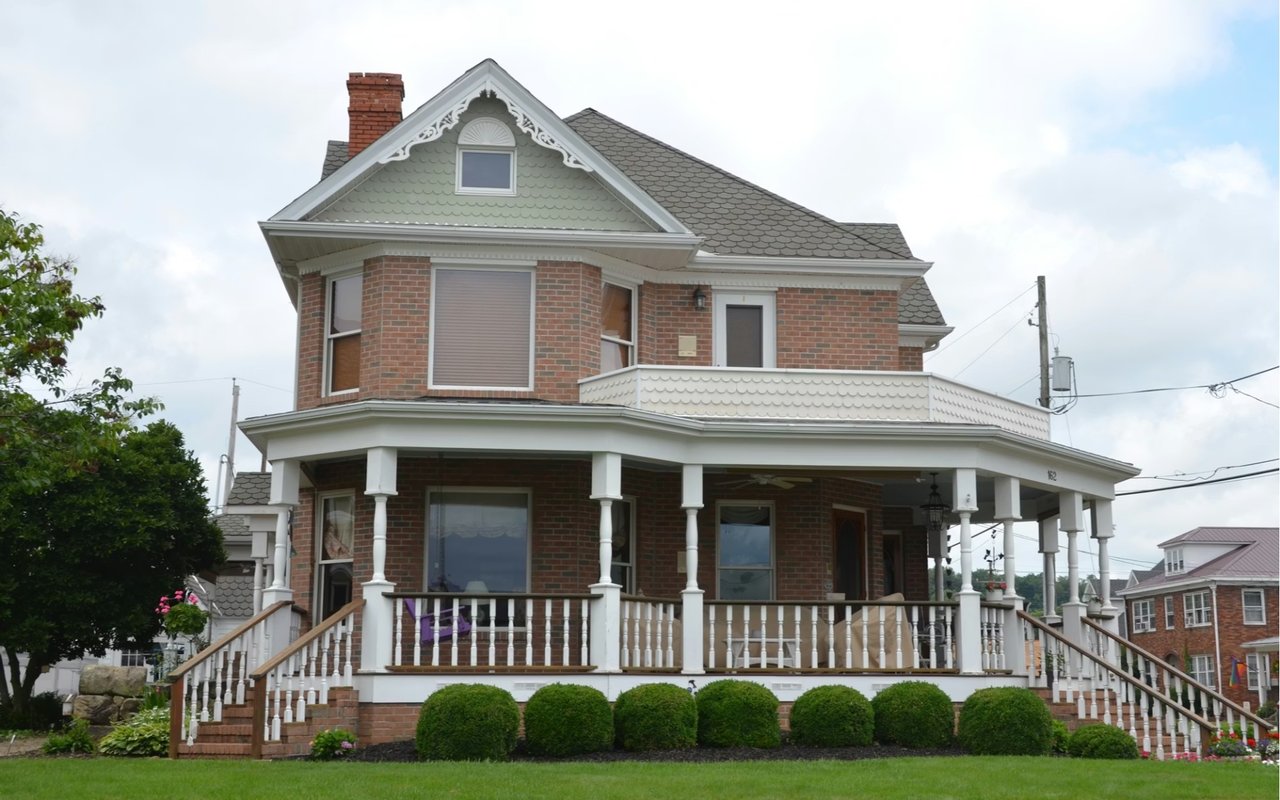
Homes in Castle Rock's historic district range from late 19th-century Victorians and early 20th-century craftsman bungalows to mid-century properties that have been updated to varying degrees. The character that makes these homes appealing is also what makes them more complex to evaluate than newer construction.
What Makes Historic District Properties Unique in Castle Rock
- Original architectural details, including wood-framed windows, hardwood floors, plaster walls, and built-in millwork, give these homes a character that can't be replicated in new construction — but each requires specific maintenance knowledge
- Lot sizes and setbacks in the historic core often differ from modern zoning standards, which affects what additions or accessory structures are permissible under current Castle Rock development codes
- Many homes in this corridor have been renovated multiple times over the decades — understanding the quality and permit status of those improvements is essential before removing inspection contingencies
- The historic district's proximity to Downtown Castle Rock means buyers are also acquiring access to First Friday events, Philip S. Miller Park, Castlewood Canyon State Park, and a community rhythm that defines daily life in a way that suburban subdivisions rarely achieve
The lifestyle Castle Rock's historic district delivers is genuine and well-established — buyers who understand what they're purchasing make more confident decisions and experience fewer post-closing surprises.
Conduct Due Diligence That Matches the Age
Homes built before 1950 require a more thorough inspection process than newer construction. Castle Rock's elevation and its 62-plus inches of annual snowfall create specific stress on roofing, foundations, and exterior materials that inspection professionals with Colorado historic property experience are best positioned to evaluate.
Due Diligence Priorities for Historic Castle Rock Buyers
- Roof condition and attic insulation deserve close attention — original roofing materials and framing methods common in Castle Rock's older homes perform differently under Colorado's freeze-thaw cycles and heavy snow loads than modern systems
- Electrical panels and wiring in homes built before the 1970s frequently include knob-and-tube or early aluminum wiring that may require updating for insurance purposes and general safety
- Foundation types in this era range from stone rubble to poured concrete — understanding how the specific foundation has performed over time and whether any moisture management issues exist is critical at Castle Rock's elevation
- Plumbing systems in older homes may include galvanized steel pipes that have reduced flow capacity or cast iron drain lines that are approaching the end of their serviceable life
A general home inspector with specific experience in older Colorado construction is the right professional for this job, and engaging one before you fall in love with a property allows for a more objective evaluation.
Know the Renovation Rules
Castle Rock has specific guidelines governing modifications to properties within or adjacent to the historic district. Buyers with renovation plans need to understand what's permissible before they commit to a purchase based on what they intend to change.
What Buyers With Renovation Plans Should Confirm
- Castle Rock's Historic Preservation Commission reviews proposed changes to designated historic properties — exterior modifications, including window replacements, additions, and façade changes, may require approval before work begins
- Interior renovations are generally not subject to historic review, but any work touching structural systems, electrical, plumbing, or mechanical systems requires standard building permits from Douglas County
- Buyers purchasing for investment or short-term rental purposes should confirm current Town of Castle Rock ordinances governing rental use, as regulations in historic residential areas can restrict these uses
- Working with a contractor familiar with Castle Rock's historic district requirements before closing — not after — prevents the costly discovery that planned work isn't permissible under current guidelines
Understanding what you can and can't do with a historic property before you sign is the difference between a purchase that delivers on your vision and one that constrains it.
FAQs: Real Estate in Historic Districts
Are homes in Castle Rock's historic district more expensive than other neighborhoods?
Generally yes. The median sale price near Historic Downtown Castle Rock runs around $775,000, reflecting the lifestyle premium that walkable historic character commands. The limited inventory of genuine historic properties keeps demand consistent.
Do I need special insurance for a historic home in Castle Rock?
Standard homeowner's insurance covers most historic homes, but some insurers apply surcharges for older construction or require specific endorsements for original materials. Getting insurance quotes before removing your financing contingency is always advisable on historic properties.
Is Castle Rock's historic district a good long-term investment?
Consistently. Limited supply, community character protections, and the ongoing strength of Castle Rock's overall market — which sits between Denver and Colorado Springs along the I-25 corridor — support durable long-term value in the historic core.
Buy with Confidence in Castle Rock with Western Mountain Real Estate
Buying a home with history and character requires the kind of careful, experienced guidance that comes from decades in Colorado real estate. I'm Carol Games, Managing Broker and Owner of Western Mountain Real Estate, and I bring over 30 years of Colorado market knowledge to every buyer and seller I represent. I listen carefully, evaluate honestly, and work hard to make sure my clients make decisions they're confident in — from the first showing to the final closing.
Whether you're drawn to Castle Rock's historic charm or exploring Colorado's broader mountain and ranch property landscape, I'm here to help.
Connect with Western Mountain Real Estate today.